

The best shopify store examples show how to help customers understand a product, choose confidently, and find answers before buying. A polished homepage matters, but so do useful product pages, straightforward navigation, and policies that explain what happens when something is not right.
Below are 25 real stores grouped by industry, with practical lessons you can adapt. You will also learn how to study return policy pages and build a return experience that feels like part of your store—not an afterthought.
What Makes a Great Shopify Store?
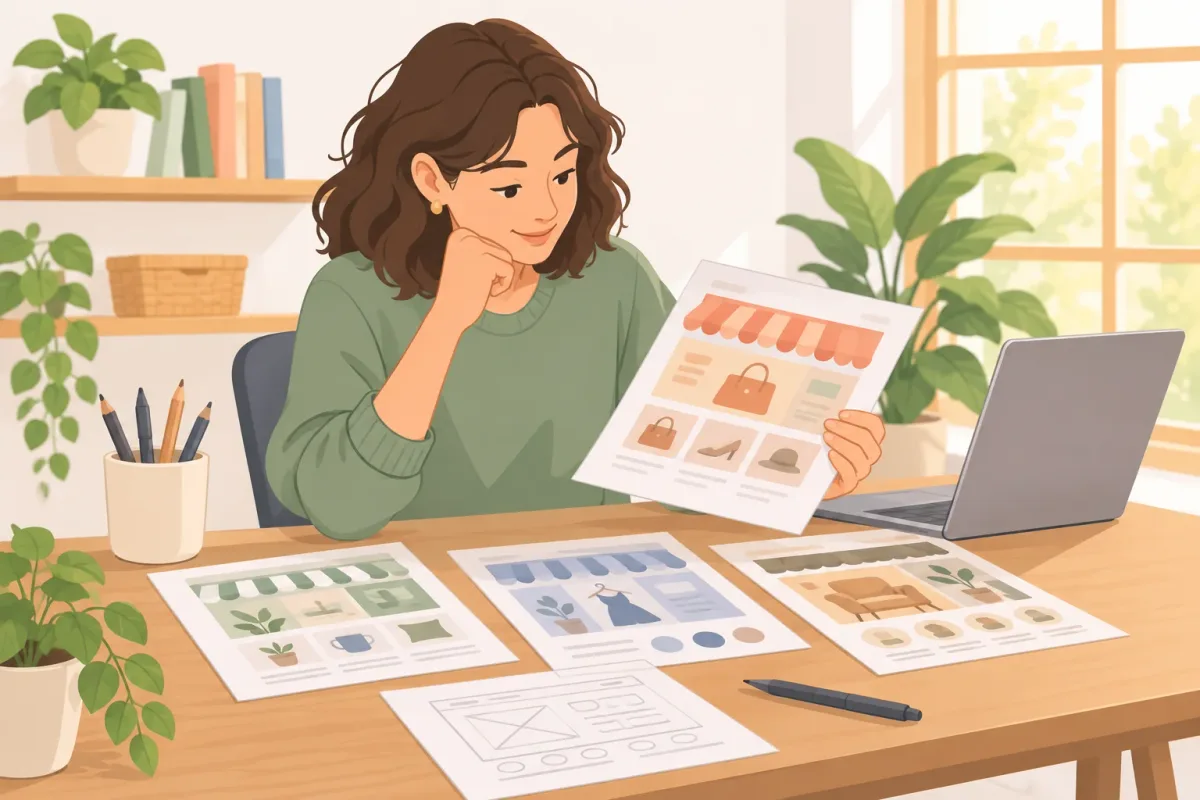
When reviewing shopify store examples, judge usefulness before visual impact. A great storefront should help a first-time visitor answer three questions: What do you sell, why should I choose it, and what happens after I order?
- Clear value proposition: Explain your product and its main benefit above the fold.
- Simple navigation: Use familiar collection names and keep important categories easy to reach.
- Helpful product pages: Combine clear photos, relevant size guidance, and space for genuine customer reviews when available.
- Trust signals: Make contact information, business details, and delivery expectations easy to find.
- Direct checkout path: Give customers an obvious next step without competing distractions.
- Visible policies: Explain shipping, returns, and exchanges before shoppers need to ask.
Themes do most of the layout work. Start with our guide to free Shopify themes to compare starting points before investing in custom design.
Choose a layout that fits your catalog rather than forcing your products into a visually impressive but awkward structure.
For setup guidance, consult Shopify’s theme documentation as you configure and customize your theme.
Shopify Store Examples by Industry
These brands are publicly known as Shopify or Shopify Plus merchants. Stores redesign often, and regional storefronts can differ, so check the live site. Treat these shopify store examples as shopify website examples and shopify sample websites to study—not layouts to copy pixel for pixel.
Fashion and Apparel Shopify Store Examples
Gymshark sells fitness clothing and accessories. Its athletic brand presentation is worth studying for the connection between product imagery and intended use. Among shopify store examples, it offers a useful lesson: show the activity your clothing supports, then make the relevant collection easy to explore.
Allbirds sells footwear and apparel. Its restrained visual direction provides inspiration for presenting everyday products without overwhelming shoppers. Study the balance between product photography and explanatory content. Copy the principle of giving each product room to breathe, particularly when material, comfort, or versatility influences the purchase.
Fashion Nova sells trend-focused fashion. It is worth studying how a broad assortment can be presented through recognizable shopping categories and outfit-led imagery. Your takeaway is to organize a large catalog around customer intentions, such as occasion or clothing type, rather than internal inventory terminology.
SKIMS sells underwear, shapewear, and clothing. Its coordinated visual identity makes it useful among shopify store examples for studying consistency. Look at how photography and presentation support the product range. Apply that discipline by using consistent image framing and clear product naming throughout your collections.
Chubbies sells casual apparel, including shorts and swimwear. Its playful brand personality offers a lesson in making a store feel distinctive without losing product focus. Borrow the principle of a recognizable voice, while keeping practical information—such as fit and intended use—straightforward and easy to scan.
Bombas sells socks, underwear, and other basics. It is worth studying how an everyday category can support a differentiated brand story. The practical takeaway is to explain why your version deserves consideration, using concrete product benefits rather than relying entirely on lifestyle photography or broad quality claims.
Kith sells apparel, footwear, and lifestyle products. Its editorial approach makes it a useful reference among shopify store examples for merchants with curated collections. Study how a cohesive visual identity can connect varied products. Start with consistent photography direction rather than adding more decorative elements.
Beauty and Personal Care Shopify Site Examples
Kylie Cosmetics sells makeup and beauty products. Its product-led visual identity is worth studying for color-driven merchandising. Among shopify store examples, it suggests a practical exercise: check whether your photography helps shoppers understand the product itself, not just the mood surrounding the brand or launch.
Fenty Beauty sells cosmetics. Its broad beauty positioning offers inspiration for communicating product choice to different customers. Study how imagery can support discovery and selection. For your store, identify the comparison shoppers need to make, then provide descriptive information that helps them choose more confidently.
ColourPop sells cosmetics, including colorful makeup collections. Its expressive presentation is useful for studying how visual variety can remain connected to one brand. Borrow the idea of grouping related products into clear collections, so customers can explore a particular look without searching across your entire catalog.
Beardbrand sells beard and grooming products. Its focused positioning makes it worth reviewing alongside other shopify store examples when your products require explanation. The takeaway is to connect products with a recognizable routine and explain their role, rather than assuming customers already understand every item.
Jeffree Star Cosmetics sells makeup and beauty products. Its distinctive branding illustrates how strongly a visual identity can shape a storefront. Study the relationship between packaging and presentation. Copy the consistency—not the aesthetic—by choosing colors and imagery that suit your own products and audience.
Food and Drink Stores
Death Wish Coffee sells coffee and related merchandise. Its bold identity makes it memorable among shopify store examples in a familiar product category. Study how brand personality reinforces the core offering. Your takeaway is to establish one clear positioning idea before adding secondary messages to the homepage.
Heinz, through the Heinz to Home store, offers branded food products. It is worth studying how familiar packaging can support recognition online. Smaller merchants can apply the same principle: show products clearly, use consistent naming, and help shoppers understand exactly what belongs in each purchase.
Magic Spoon sells cereal and related food products. Its colorful presentation provides inspiration for making an everyday category feel distinctive. Study how packaging and product imagery work together. Copy the clarity of presentation by showing what customers receive and explaining the differences between available options.
Home and Lifestyle Stores
Brooklinen sells bedding, bath products, and home essentials. Among shopify store examples, it is useful for considering how lifestyle photography gives products context. Pair that inspiration with practical detail in your own store, helping customers understand dimensions, materials, and care before they commit to a purchase.
Tuft & Needle sells mattresses and sleep products. Its category is worth studying because shoppers need reassurance before making a considered purchase. The transferable lesson is to organize information around buying questions, making product differences understandable without requiring customers to decode technical descriptions on their own.
Our Place sells cookware and kitchen products. Its design-led presentation offers inspiration for showing functional products as part of everyday life. Study the balance between appearance and usefulness. For your own pages, combine attractive scenes with direct explanations of what the product does and who it suits.
Pela Case sells phone cases and accessories with an environmental positioning. It adds another perspective to these shopify store examples: product compatibility still matters when brand values attract attention. Keep your story visible, but make essential selection details easy to understand before customers add an item.
Accessories and Jewelry Stores
Pura Vida sells jewelry and accessories. Its lifestyle-oriented identity is worth studying for presenting small products with personality. Borrow the principle of showing items both clearly and in context, helping shoppers judge their appearance while keeping related collections recognizable and easy to browse across the store.
MVMT sells watches and accessories. Its streamlined aesthetic offers a reference for merchants who want products to carry the visual weight. The practical lesson is restraint: use consistent photography, readable product names, and concise supporting text instead of surrounding every item with competing promotional messages.
The Ridge sells wallets and everyday-carry accessories. It is useful among shopify store examples for thinking about how to explain a functional alternative to familiar products. Copy the habit of answering the comparison question: what changes for the customer when they choose your version instead?
Brand and Merch Stores
Netflix Shop sells merchandise connected to entertainment properties. Among shopify store examples, it highlights the importance of organizing products around existing customer interests. Apply that lesson by grouping merchandise around the subject shoppers recognize, rather than making them search only through broad product types or generic categories.
Tesla Shop sells branded apparel and lifestyle merchandise. Its restrained presentation is worth studying when a recognizable brand wants shopping to stay simple. Your takeaway is to keep collections clearly separated and labeled, so shoppers can reach the product group they want without browsing unrelated merchandise first.
Red Bull Shop sells branded clothing and merchandise associated with its wider brand world. It offers inspiration for connecting products to a recognizable identity. Copy the principle of visual continuity, while keeping product discovery straightforward for customers who arrive knowing the team, activity, or collection they want.
Shopify Site Examples: Design Patterns Worth Copying
The strongest lessons from shopify store examples are repeatable decisions, not expensive visual effects. Use these patterns as a review checklist.
- One clear opening action: Pair a useful headline with a primary route into shopping.
- Customer-led collections: Organize around product type, use, occasion, or another familiar shopping intention.
- Objection-answering product pages: Address fit, compatibility, materials, care, and delivery where relevant.
- Genuine social proof: Add authentic customer feedback when available; never manufacture reviews.
- A relevant brand story: Explain the thinking behind your products without burying shopping information.
- Mobile-first usability: Check text size, image cropping, option selectors, and primary buttons on a phone.
If you are still choosing your platform or setup, our Shopify website builder guide can help you plan the foundation before refining individual pages.
Compare shopify site examples by task: finding a collection, choosing a variant, or locating a policy. This makes your research more useful than collecting screenshots based only on appearance.
What the Best Shopify Stores Do With Return Policies
When studying shopify store examples, include the return policy in your review. Strong stores treat it as a conversion asset: clear information helps customers understand the purchase commitment. This is a general design principle, not a claim about any named store’s current terms.
Write in plain language and link the policy from your footer and relevant product pages. A self-service Shopify return portal can give customers a clear place to begin when they need help after delivery.
A useful policy page should state:
- Return window: How long customers have and when that period begins.
- Eligible products: Which items qualify and any required condition.
- Non-returnable products: Which exclusions apply.
- Return methods: How customers submit requests and send items back.
- Refund methods: Which outcomes are available.
- Exchange conditions: What customers can exchange and any applicable requirements.
For another policy decision, explore Shopify store credit for returns and exchanges and explain clearly when that option applies.
Good shopify store examples should inspire consistency between promises and operations. Before publishing, check that your policy wording matches the rules your team actually follows, including any product exclusions or seasonal differences.
How to Build a Return Experience Like These Stores With Yanet
Use the lessons from shopify store examples to improve what happens after purchase. Yanet Returns & Exchanges provides a customer-facing Return Portal for submitting requests and a merchant dashboard for reviewing and managing returns and exchanges in one place.
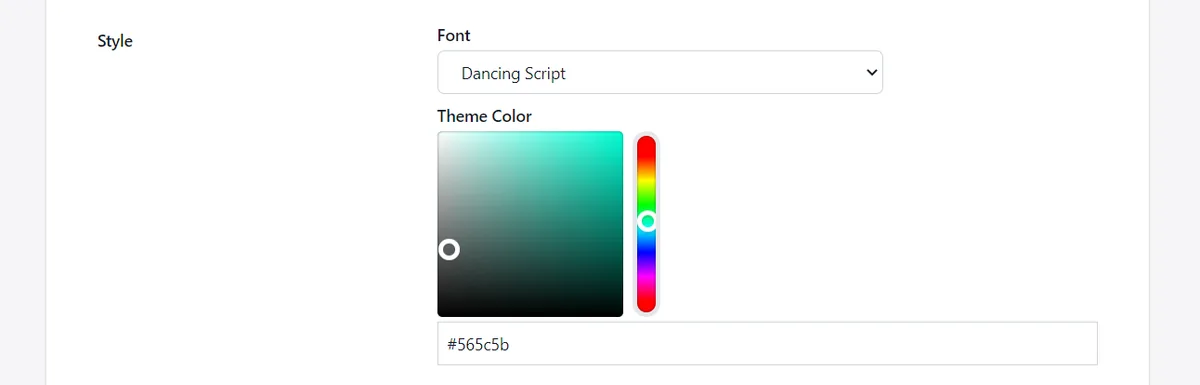
You can create rules using return windows, non-returnable items, order or fulfillment dates, product tags, and collections. Different products or periods can have different rules. Brand the portal with a custom URL, banners, fonts, and button colors, and display your Return & Exchange policy link.
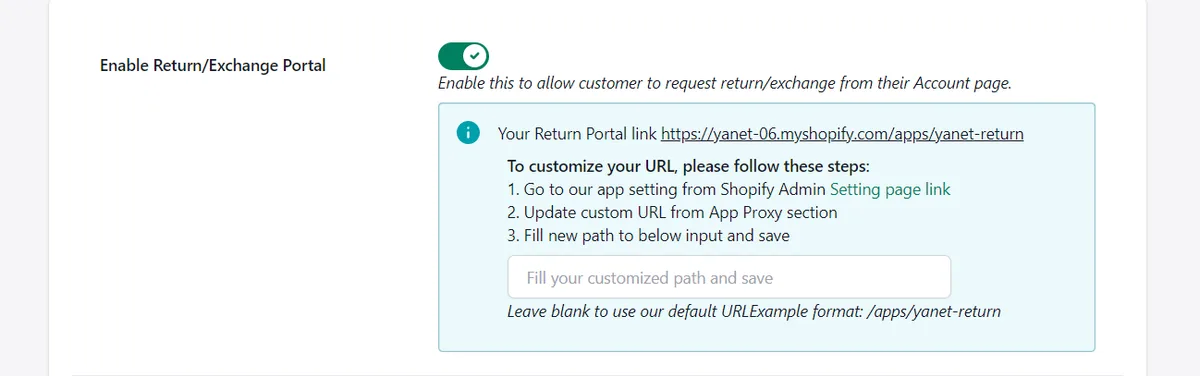
- Install the app and enable the Return Page.
- Create return and exchange rules that match your policy.
- Add the reasons customers can select.
- Enable the refund methods you offer.
- Add the Return Page to store navigation.
- Test the experience with a sample request.
Portal text is editable through Translations, and multiple languages are available. Refund methods include store credit, discount code, and gift code on applicable plans. Supported carriers include EasyPost, FedEx, and Shippo, while email notifications keep customers updated through the request workflow.
Pricing: Free is $0 for six requests per month. Professional is $9.99/month with 80 included requests and $0.20 per additional request. Ultimate is $29.99/month with unlimited requests and automation approval. Professional and Ultimate include a 14-day free trial.
Keep the portal easy to find and repeat sample-request testing after rule changes. This turns inspiration from shopify store examples into a process your team can actually maintain.
How to Use Shopify Sample Websites for Your Own Store
Turn shopify store examples into a small improvement project rather than an endless inspiration folder. Pick three stores in your niche, preferably with a similar catalog size or buying process.
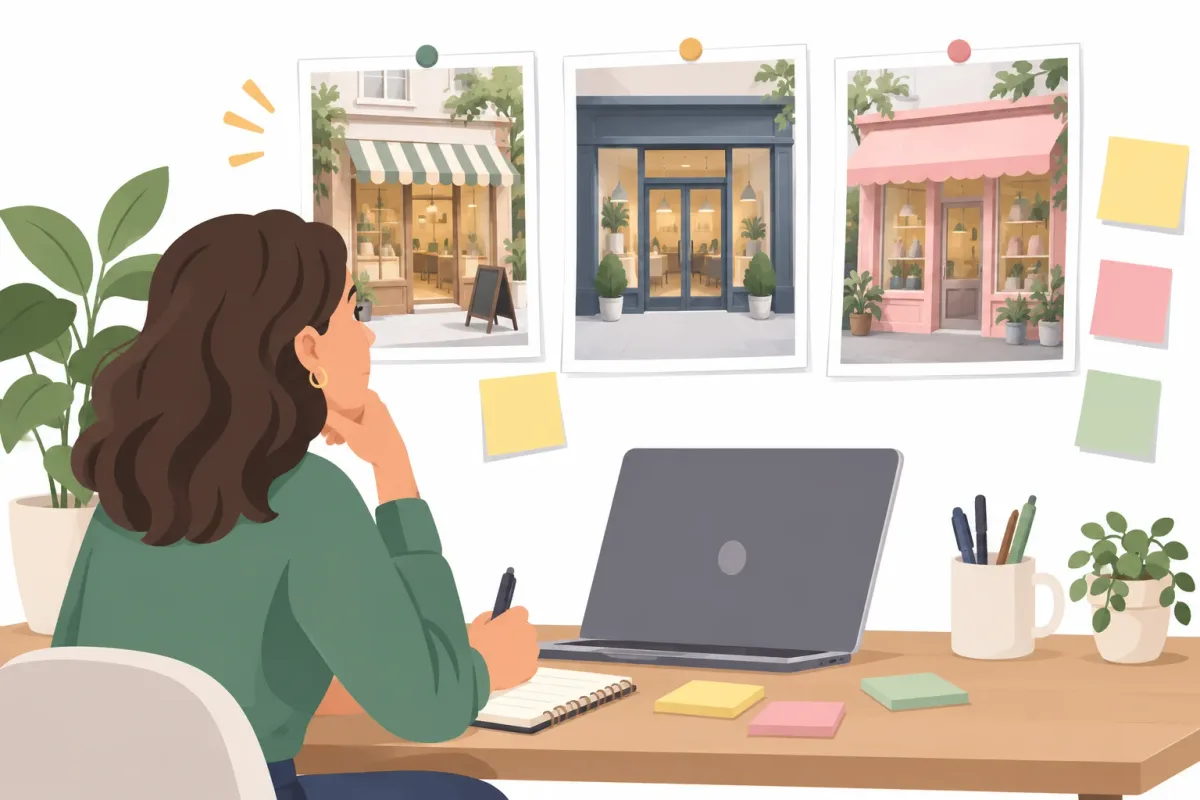
- Capture screenshots of each homepage, product page, and policy page.
- Note the customer problem each useful element solves.
- List three changes you can make with your current theme.
- Test navigation, product selection, and policy access on mobile.
- Build, review, and improve one section at a time.
Use shopify sample websites to identify principles, not to copy text, photographs, or brand identity. For example, “make size guidance easier to find” is a useful task; “recreate this competitor’s product page” is not.
Compare shopify website examples against your own customer questions. The best change is often a clearer collection name or a visible return link—not a complete redesign.
Conclusion
The most useful shopify store examples combine a clear value proposition, simple navigation, informative product pages, and visible policies. Borrow those principles, adapt them to your customers, and make returns as understandable as purchasing.
Start with three stores and a short improvement list. When you are ready to organize the post-purchase experience, try Yanet Returns & Exchanges to create a branded Return Portal and manage requests from one place.
FAQ
What are the best Shopify store examples for beginners?
Allbirds, Bombas, and Brooklinen are useful starting points for studying product presentation and brand clarity. Choose examples close to your own category, then focus on navigation, product information, and policy visibility rather than copying the entire design.
How can I tell if a website is built on Shopify?
You can inspect the page source for Shopify-related references or use a technology detector browser extension. These methods provide clues, but custom storefronts and changing technology can make identification less straightforward.
Do I need Shopify Plus to build a store like these examples?
No. Many of these design patterns work on any Shopify plan with a suitable theme and well-organized content. Shopify Plus adds enterprise features, but clear navigation and helpful product pages do not depend on it.
Why should a Shopify store have a clear return policy page?
A clear policy helps customers understand eligibility, deadlines, available outcomes, and how to start a request. It also gives your team a consistent reference when handling returns and exchanges.